
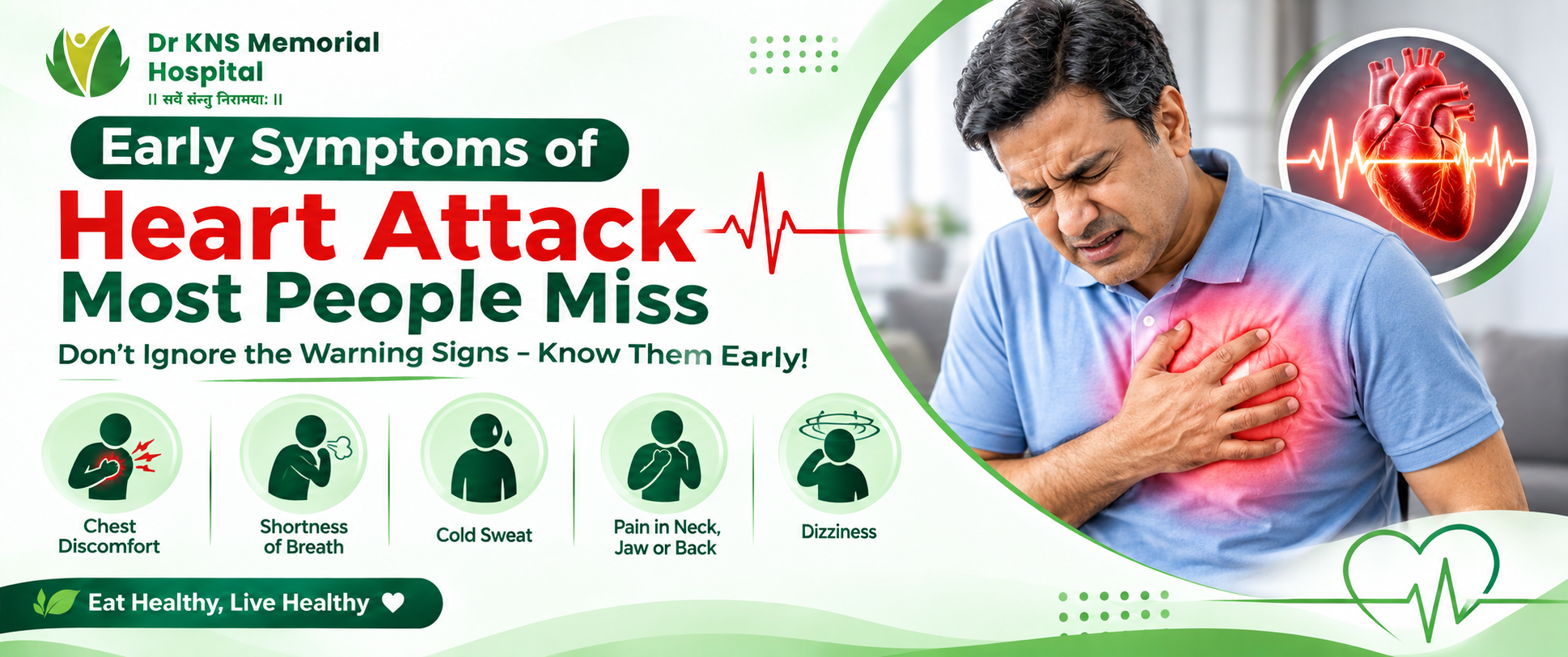
Whenever we or anyone else think about a heart attack, an image instinctively forms in our minds: someone clutching their chest and suddenly collapsing. Real life is often much quieter. Many people have vague, easy-to-ignore warning signs and put them down to gas, stress or tiredness. This guide explains the early symptoms of heart attack that are commonly missed, so you can act in time.
It is crucial to understand that a 'silent heart attack' is a type of heart attack characterized by very few, or even no, clear symptoms. Blood flow to part of the heart muscle is reduced or blocked, and damage occurs even though the person feels almost normal. The American Heart Association describes it as a heart attack that occurs with little or no warning signs, often discovered only later through a test that shows heart damage.
Estimates of how common this is vary. One source puts it at about one in five heart attacks, while a study in the journal Circulation suggested nearly half may be silent. Either way, it is far more common than most people think.
Why Quiet Does Not Mean Harmless
Always keep in mind that a 'silent heart attack' can also cause serious damage to your heart. Research reported by the AHA found that people who had one had a 35% higher risk of heart failure compared with those who had no sign of a past heart attack. Another report notes that people with unrecognised attacks may have a higher chance of dying from them, since warning signs are subtle and treatment is delayed.
The lesson is simple: a mild or unnoticed attack is still a serious event and needs medical care.
Early Signs of Heart Attack Most People Miss
The early signs of heart attack do not always involve chest pain. Watch for the following:
- Unusual tiredness: You feel drained after normal activities, or you wake up exhausted. The heart may be working harder because it is not getting enough oxygen-rich blood.
- Mild chest discomfort: This essentially means that instead of intense pain, one might experience pressure, tightness, a sense of heaviness, or a squeezing sensation. It can be intermittent, which is why people often overlook it.
- Shortness of breath: If you get breathless climbing stairs or walking a short distance, which was easy before, take it seriously.
- Indigestion or heartburn-like feeling: Many people take an antacid and carry on. If the feeling is new, strong or unusual for you, it deserves attention.
- Nausea, cold sweat or dizziness: Sweating without heat or exertion, feeling light-headed or feeling sick can be part of the symptoms of heart attack.
- Pain in the jaw, neck, back, shoulder or arm: Pain can spread beyond the chest. Jaw or upper back pain, especially in women, is often mistaken for a muscle problem or dental trouble.
- Most of the time a general feeling that something is wrong: AARP lists this among the signs and notes that signs of a heart attack can be muted or confused with other conditions.
The Quiet Warning: Silent vs Classic Heart Attack Symptoms
- Classic heart attack
- Silent heart attack symptoms
- Strong chest pain or crushing pressure
- Mild or no chest discomfort
- Pain spreading to the left arm
- Vague jaw, back or shoulder ache
- Obvious breathlessness
- Slight breathlessness on effort
- Sudden severe sweating
- Mild clamminess or unease
- Clear emergency feeling
- Tiredness or "off" feeling
- Silent attack symptoms are often brief and easy to explain away. That is exactly why they are dangerous.
Mini Heart Attack Symptoms: What Does That Mean?
"Mini heart attack" is a popular term, not a precise medical diagnosis. People often use this term for small or very minor heart attacks, or sometimes even for silent heart attacks. One health article notes that mini heart attack symptoms can be far subtler than classic ones, and may still include chest discomfort, nausea, light-headedness and jaw pain.
So mini heart attack symptoms should be treated like any other warning. "Minor" does not mean safe. Minor heart attack heart attack symptoms can still signal real damage and a higher risk of a bigger event.
Who Is More Likely to Miss the Signs?
Anyone can miss them, but some groups are more at risk of overlooking symptoms:
- Women, who may have fatigue, nausea, back or jaw pain more often than classic chest pain
- Older adults, whose symptoms can be mild or blamed on ageing
- People with diabetes, because nerve changes can dull pain
- People with high blood pressure, high cholesterol, obesity or a family history of heart disease
- Smokers and people with a sedentary lifestyle
How to Tell If It Could Be a Heart Problem
There is no perfect rule, but a few clues help. One doctor quoted by AARP notes that heart warning signs tend to be "not positional," meaning they don't change with body position. Pain that eases when you press the spot or move a certain way is more likely muscular, but this is not a guarantee.
Be extra cautious if symptoms:
- Appear during exertion and ease with rest
- Last more than a few minutes, or keep returning
- Come with sweating, nausea or breathlessness
- Are new, unusual or worse than before
- When in doubt, do not wait and watch.
Steps to Take If You Suspect a Heart Attack
- Call your emergency number immediately (112 in India) or get to the nearest hospital with emergency cardiac care.
- Do not drive yourself. Ask someone to take you or call an ambulance.
- Sit down and stay calm. Avoid any physical effort.
- Follow your doctor's earlier advice about aspirin, if you have been told to take it. Do not take it on your own if you are allergic or have been told to avoid it.
- Tell the medical team all your symptoms, even mild ones.
- Speed matters. The AHA advises that treatment ideally begins within one hour of the first symptom.
If You Think You Had One in the Past
Many people only learn about a past silent heart attack from an ECG or scan done for another reason. If you recall an episode of unusual tiredness, breathlessness or discomfort, tell your doctor. Tests such as an ECG, echocardiogram or blood tests can help check your heart.
Simple Ways to Protect Your Heart
- Check blood pressure, blood sugar and cholesterol regularly.
- Stop smoking and limit alcohol.
- Eat more vegetables, fruit, whole grains and less fried and salty food.
- Be physically active as advised by your doctor.
- Manage stress and sleep well.
- Take prescribed medicines regularly.
Important Considerations
The early symptoms of heart attack are often quiet, short and easy to dismiss. Understanding silent heart attack symptoms and acting quickly can protect your heart and even save your life. If something feels wrong, trust your instinct and get checked.
FAQ
It is a heart attack with little or no noticeable symptoms. It still damages the heart and is often found later on a test.
Unusual tiredness, chest pressure, breathlessness, indigestion, sweating and jaw or arm pain are common. Some people have only mild signs.
They are usually mild versions of normal warning signs, such as light chest discomfort or fatigue. Treat them as seriously as classic symptoms.
Yes, it is possible, especially in women, older adults and people with diabetes. Other signs can include breathlessness, nausea and fatigue.
Yes, the damage to the heart can be real even if you feel fine. It can raise the risk of heart failure and future attacks.
Doctors may find it on an ECG, echocardiogram or other heart tests. Many people discover it by chance.
Sometimes, yes. If heartburn is new, severe or comes with sweating or breathlessness, get medical help.
Women often have fatigue, nausea or back and jaw pain and blame stress or acidity. These signs are easy to overlook.
Call emergency services right away and avoid driving yourself. Do not wait for the symptoms to get worse.
Risk can be lowered by controlling blood pressure, sugar and cholesterol, not smoking and staying active. Regular check-ups also help.